Dahlia Font Embroidery Design Review for Brands
As an experienced embroidery designer who has spent years refining the visual language of small business merchandise, I know that selecting the right machine embroidery design is about more than just aesthetics. It is a strategic decision that impacts brand identity, production costs, and customer perception. When I first encountered the Dahlia Font Embroidery Design, my immediate thought was not about decoration, but about its potential as a versatile tool for commercial applications ranging from branded patches to staff uniforms.
This review explores how this specific font performs in real-world scenarios for boutique owners, Etsy sellers, and apparel decorators. We will look at its personality, its practical application on various items like aprons and caps, and the critical technical considerations you must address before launching your next product line.
First Impressions: A Blend of Elegance and Approachability
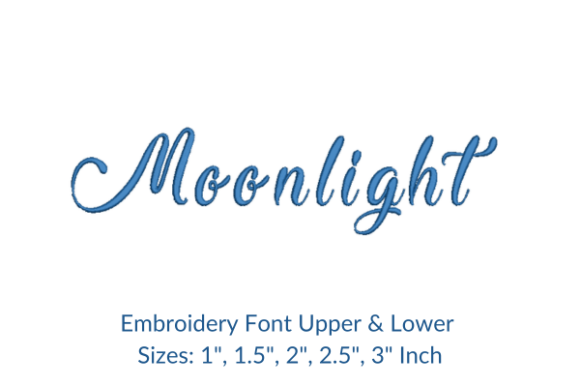
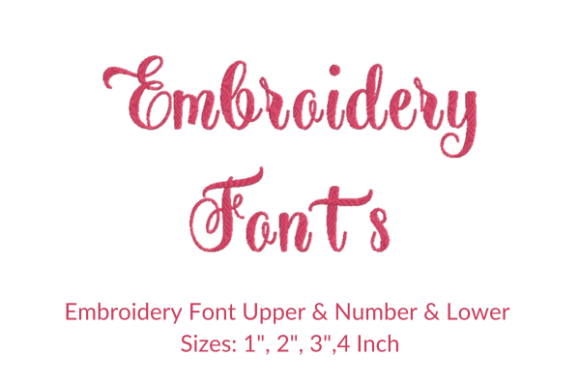
The Dahlia Font Embroidery Design strikes a unique balance between professional polish and friendly warmth. Unlike rigid block letters or overly ornate scripts that can be difficult to read at small scales, this font appears to offer a modern yet classic aesthetic. The name "Dahlia" suggests a floral inspiration, which often translates into soft curves and organic lines in embroidery fonts.
For a small business owner looking to create a handmade product feel without sacrificing professionalism, this font is a strong contender. It feels premium enough for high-end jewelry tags or luxury boutique packaging, yet playful enough for a bakery logo or a creative studio's tote bag designs. The description emphasizes its ability to personalize designs with names, dates, or quotes, which speaks directly to the growing demand for custom small business merch. It is not merely a decorative element; it is a communication tool that can convey your brand's voice through typography alone.
Real-World Applications for Small Business Merch
In my experience working with local cafes, florists, and pet brands, the versatility of a font determines its utility. Here is how the Dahlia Font Embroidery Design fits into common commercial projects:
- Embroidered Patches: One of the most popular uses for this font is creating custom embroidered patches. Whether attached to denim jackets, backpacks, or work shirts, the lettering provides a clean focal point. The fluid nature of the font works well when stitched onto felt or twill backgrounds, adding a touch of sophistication to standard patch materials.
- Staff Uniforms and Apron Embroidery: For service industries, consistency is key. Using this font for staff names on apron embroidery or chest logos on work shirts creates a cohesive team look. It avoids the sterility of standard corporate fonts while maintaining legibility, which helps in building customer trust and recognition.
- Cap Embroidery and Headwear: Caps are a staple of promotional merchandise. The curves of the Dahlia font likely follow the natural contour of a cap front panel better than angular typefaces. It allows businesses to put their stamp on hats, visors, and beanies effectively.
- Tote Bag Design and Product Packaging: Tote bags serve as walking billboards. This font can be used to highlight a shop's name or a catchy slogan on canvas totes. Furthermore, it can be applied to fabric hang-tags or product labels, elevating the perceived value of the finished product.
- Etsy Branding and Event Merch: For digital file buyers and crafters selling on platforms like Etsy, having a unique font asset is crucial. This design can help differentiate a seller's shop from competitors using generic templates. It is also excellent for event merchandise, such as wedding favors, bridal party gifts, or corporate retreat shirts where personalization is expected.
Strategic Considerations and Limitations
While the Dahlia Font Embroidery Design shows great promise, no single design is perfect for every scenario. As a designer reviewing this for commercial use, there are specific areas where caution is required to ensure a high-quality result.
Small Patch Sizes and Tiny Lettering: If you plan to create very small patches (under 2 inches), intricate details in the font may get lost during the stitching process. Fine serifs or delicate flourishes can merge together if the stitch density is too high or the size is too small. Always test the design at the intended final size before mass production.
Curved Surfaces and Cap Fronts: While the font suits curves well, extreme curvature on fitted caps can distort letter spacing. You may need to adjust the spacing or reduce the height of the text to prevent crowding at the apex of the hat. Additionally, textured fabrics like heavy wool or thick denim can cause thread breaks or uneven coverage, especially if the stitch density of the font is high.
Dark Uniforms and Contrast: Legibility is paramount for branding. On dark uniforms, you must ensure that the thread colors chosen provide sufficient contrast against the background fabric. A light-colored Dahlia font might disappear on navy or black garments unless a stabilizer or underlay is used effectively.
Frequent Washing: Items that undergo frequent washing, such as chef aprons or children's clothing, require durable stitching. Fonts with excessive loose threads or long runs of satin stitches may pill or unravel over time. Ensuring the design has proper underlay and stitch direction is essential for longevity.
The Impact on Brand Identity and Customer Trust
Typography is a silent ambassador for your brand. The choice of the Dahlia Font Embroidery Design signals to your customers that you care about details. In a market saturated with mass-produced goods, the presence of a well-executed, custom-style font on a custom apparel item suggests quality and attention to detail.
When customers see a consistent font across their embroidered patch, their tote bag, and their uniform, it reinforces brand recognition. It creates a sense of professionalism and reliability. Conversely, poor execution or a font that looks cheap can undermine the perceived value of the product. By choosing a font that balances elegance with readability, you are investing in the visual consistency that drives buyer engagement and repeat business.
Essential Notes for the Embroidery Designer
Before you upload this design to your machine and start producing commercial embroidery orders, please consider these practical steps derived from industry best practices:
- Test in Black and White First: Convert your design to monochrome to check the spacing and readability without the distraction of color. This ensures the structure of the letters holds up on its own.
- Check Small Patch Size Viability: Run a test stitch on a scrap piece of the actual fabric you intend to use. Zoom in on the output to see if any details have filled in or disappeared.
- Review Thread Color Contrast: Select thread colors that pop against your specific fabric choices. Don't rely solely on digital mockups; real lighting changes how thread colors appear.
- Inspect Spacing and Hoop Size: Ensure the hoop size accommodates the width of the text without cutting off letters. Tight spacing can lead to thread bunching.
- Test on Real Fabric: Digital files behave differently on different materials. Test on the exact fabric texture you plan to use, whether it is cotton, polyester, or a blend.
- Use Proper Stabilizer: The stability of the final product depends heavily on the stabilizer used. For stretchy fabrics, a cut-away stabilizer is often necessary to prevent puckering.
- Create a Printable Mockup: Before committing to production, generate a printable mockup for client approval. This saves time and prevents costly errors.
- Confirm Commercial Licensing: Verify that the Dahlia Font Embroidery Design includes the appropriate license for commercial use. Some digital files are restricted to personal projects only.
By following these guidelines, you can maximize the potential of the Dahlia Font Embroidery Design as a powerful asset for your business. Whether you are creating a unique embroidery file for a client or building your own line of branded goods, this font offers a solid foundation for professional results.
Remember, the goal is to create a design asset that stands the test of time and wear. With careful planning and testing, the Dahlia Font Embroidery Design can become a signature element of your brand's visual identity, helping you stand out in the competitive world of handmade products and custom apparel.