Grinch Fonts Embroidery Design Review
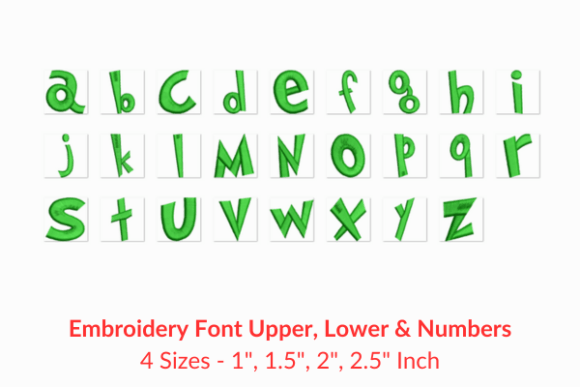
As an embroidery designer who spends weekends hunched over my hoop at craft fairs, I have learned one hard truth: customers decide if they want your product in the first three seconds. They are walking through a sea of handmade goods, and their eyes are scanning for something that stops them. That is why when I look at a new digital asset, I am not just looking at the code or the file format. I am looking at the commercial viability of the design. Today, I am reviewing the Grinch Fonts Embroidery Design, a high-quality font intended to help personalize items with names, dates, or quotes.
If you are an Etsy seller, a boutique maker, or someone preparing a booth for a holiday market, this review will tell you whether this design belongs in your collection. We are going to break down how it performs on real products, from tote bags to aprons, and what practical steps you need to take before you start stitching.
First Impressions and Visual Appeal
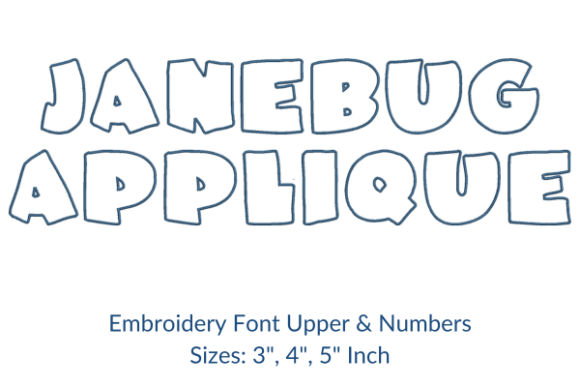
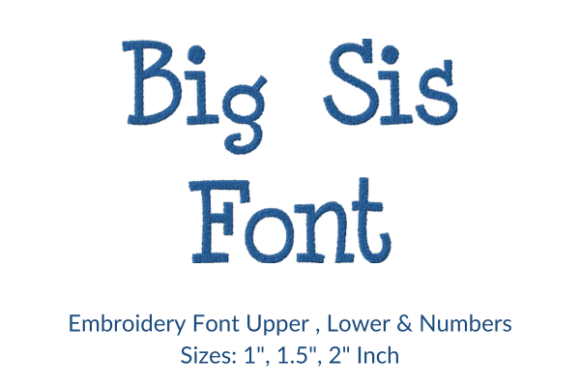
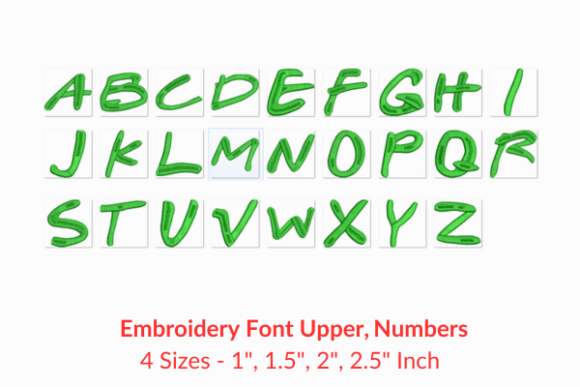
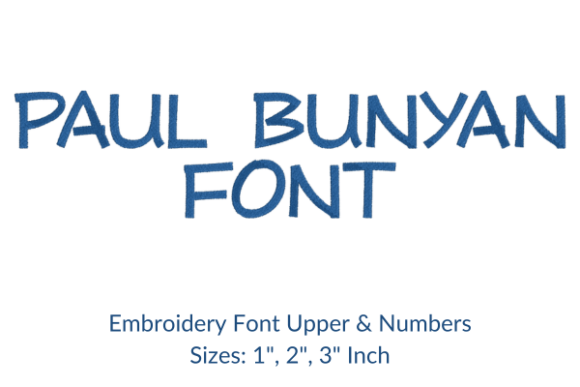
The title alone suggests personality. "Grinch" implies a festive, slightly mischievous, or humorous tone. When I evaluate a machine embroidery design, I look for clarity and character. Does the font feel bold enough to be read from a few feet away? Is it cute without being childish? Is it modern enough for a contemporary home decor shop?
This font appears to be designed for personalization. In my experience, personalized items sell better than generic ones because the buyer sees themselves in the product. Whether you are writing a name on a child’s pajama set or a funny quote on a kitchen towel, the font needs to hold up under scrutiny. The description highlights that this is a high-quality embroidery font, which usually means clean digitizing with fewer loose threads and better stitch alignment. For a craft fair product, visual cleanliness is everything. You do not want a customer picking up a tea towel and seeing jagged edges or confused lettering.
Product Applications: Where It Shines
Let’s talk about where this design can actually make money. I imagine setting up a table display with various items. Here is how the Grinch Fonts Embroidery Design might perform on specific handmade products.
- Tote Bags: A canvas tote bag is a staple at any market. Using this font for a short phrase or a name creates a tote bag design that feels custom. Because tote bags have a large flat surface area, you can use the font as a focal point. It photographs well for online listings because the contrast between the thread and the fabric is usually clear.
- Apron Embroidery: Kitchen aprons are popular gifts. If you place this font across the bib or along the waistband, it adds a touch of humor or warmth. However, be careful with placement. On an apron, the design should be large enough to be legible but not so large that it overwhelms the garment.
- Tea Towel Embroidery: Linen or cotton tea towels are low-cost items that move quickly. This font works beautifully here because the texture of the towel hides minor imperfections in the stitching. It feels rustic and farmhouse, which is a strong trend in small shop products.
- Embroidered Patch: If you create patches, this font can be used for labels or decorative borders. Patches allow you to experiment with different background colors. Just ensure the stitch density is appropriate so the patch does not become too stiff or thick.
- Caps and Beanies: Curved surfaces like caps are tricky. You need to check the hoop size and the curvature of the design. If the letters are too wide, they may distort on the curve of a baseball cap. Test this carefully before committing to bulk production.
- Fabric Pouches and Pillow Covers: These items offer more space for longer quotes. If the font allows for multi-line text, it can turn a plain pillow cover into a statement piece. This is great for digital sellers who want to offer versatile designs that work on multiple item types.
Production and Practical Selling Notes
Before you rush to produce fifty units for a weekend fair, there are technical considerations. As a professional, I always advise testing before scaling. Here is what you need to watch out for.
Stitch Density and Fabric Texture
Dense stitch areas can cause puckering, especially on lighter fabrics like thin cotton or rayon. If the Grinch Fonts Embroidery Design has heavy fill stitches, you must use the right stabilizer. Cut-away stabilizer is generally safer for stretchy fabrics or items that will be washed frequently, like aprons and towels. Tear-away might suffice for rigid items like hats or stiff canvas totes, but always test on scrap fabric first.
Also, consider the fabric texture. On a highly textured towel, tiny details in the font might get lost. If the letters have thin serifs or intricate cuts, they may not render clearly. Look for bold, clean lines that stand out against the weave of the cloth.
Thread Colors and Contrast
Contrast is king. If you are embroidering dark fabric, light thread is essential. If the font is white or pastel, it will pop on denim or black canvas. But if you try to use gold thread on a beige apron, the design will disappear. Plan your thread colors based on the products you plan to stock. Having a variety of contrasting threads ready can help you showcase the versatility of the design.
Photography and Online Listings
For every Etsy seller, photography is half the sale. When you create a printable mockup or photograph a finished product, make sure the lighting highlights the texture of the embroidery. Shadows can hide depth. Good photos show the raised nature of the stitches, which signals quality to the buyer. If the design looks flat in the photo, customers might think it is printed rather than embroidered, lowering the perceived value.
Batch Production Efficiency
One of the biggest advantages of using a pre-made embroidery file is speed. Once you have dialed in your settings, you can produce items quickly. This font seems straightforward, which means less time troubleshooting hooping issues. Time is money in the handmade business. If you can produce a finished product in ten minutes instead of twenty, your profit margins improve significantly.
Designer’s Checklist Before You Sell
To ensure success, follow these steps before listing your items:
- Test on Scrap Fabric: Never assume a design will work perfectly. Stitch it out on the actual fabric you plan to sell. Check for tension issues and color accuracy.
- Check Spacing: Ensure the letters are spaced correctly. Tight kerning can make text unreadable; loose kerning can look disjointed.
- Confirm Hoop Size: Verify that the design fits within your standard hoops. If it is too large, you may need to split the design, which adds complexity.
- Inspect Stitch Density: Look closely at the digitizing. Are there unnecessary jumps? Is the underlay sufficient to hold the fabric in place?
- Create Real Mockups: Do not rely solely on digital renders. Show the design on real products. This builds trust with your audience.
- Compare Fabric Colors: Different manufacturers dye fabric differently. A cream fabric from one brand might look yellow next to another brand’s ivory. Choose your materials consistently.
- Confirm Commercial Licensing: This is critical. Ensure you have the rights to sell finished products made with this digital embroidery file. Without proper licensing, you risk legal issues.
Final Verdict
The Grinch Fonts Embroidery Design has the potential to be a strong addition to your repertoire, particularly for seasonal markets and personalized gift shops. Its focus on personalization aligns perfectly with current consumer trends. By applying it to high-demand items like tote bags, aprons, and tea towels, you can create a cohesive and attractive booth display.
Remember, the success of your craft fair product depends not just on the design, but on the execution. Take the time to test, refine, and present your work professionally. With careful planning and attention to detail, this font can help you create memorable handmade products that customers love. Happy stitching!