Monako Font Embroidery Review
As an embroidery designer who spends hours digitizing, testing, and refining designs for commercial clients, I am always on the lookout for typography that strikes the right balance between readability and aesthetic charm. When I first encountered Monako Font on Creative Fabrica, I was immediately drawn to its clean, modern silhouette. It is not just another generic typeface; it feels like a deliberate design choice meant to elevate personalized gifts. In this review, I will walk you through my experience evaluating this machine embroidery design for real-world applications, specifically focusing on how it performs in small business contexts.
First Impressions: Visual Mood and Design Personality
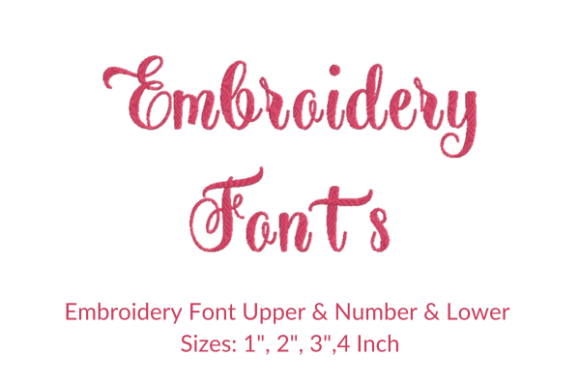
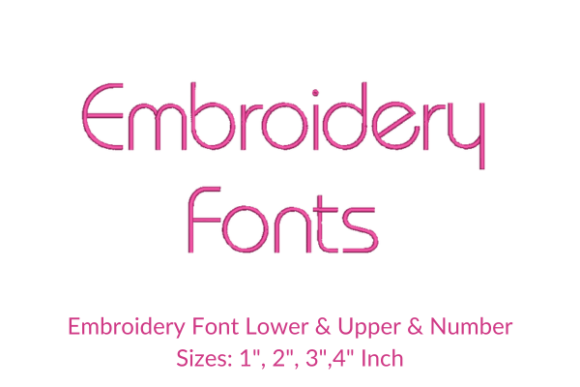
The moment you preview the embroidery file, the visual mood of Monako Font stands out. It carries a crisp, contemporary energy that works exceptionally well for brands aiming for a minimalist yet warm aesthetic. Unlike overly ornate scripts that can become illegible when stitched at smaller sizes, Monako maintains clarity while offering enough character to feel special. This makes it an ideal candidate for personalized gift projects where names, dates, or short quotes are central to the design.
From a designer’s perspective, the letterforms have a consistent weight and spacing that suggests careful digitization. The curves are smooth, and the angles are sharp without being harsh. This personality translates beautifully into physical products. Whether you are creating a tote bag design for a local market or a custom apron for a boutique client, Monako Font adds a touch of sophistication that elevates the perceived value of the item. It feels less like a template and more like a bespoke addition to your collection of design assets.
Real-World Application: Where Monako Font Shines
I evaluated Monako Font across several categories typical for Etsy sellers and craft fair vendors. Here is how it performed in specific scenarios:
- Custom Apparel and Sweatshirts: For sweatshirt embroidery, Monako Font offers excellent legibility. The clean lines prevent the fabric from looking cluttered, which is crucial when working with thicker materials like fleece or cotton blends. It pairs well with simple logos or standalone text layouts.
- Baby Items and Nursery Decor: The soft yet structured nature of the font makes it perfect for baby blankets and nursery pillows. Parents often look for items that feel both modern and timeless. Monako Font delivers on both fronts, making it a strong contender for commercial embroidery targeting new parents.
- Kitchen Towels and Aprons: These high-turnover items benefit from clear, readable text. Monako Font ensures that names or humorous phrases remain distinct even after multiple washes. Its versatility allows it to fit into various color palettes, making it easy to create cohesive product lines.
- Caps and Patches: Curved surfaces present a challenge for many fonts, but Monako’s balanced proportions help maintain integrity when stitched onto caps. For embroidered patches, the font’s clean edges allow for neat satin stitch borders if desired, enhancing the professional finish.
Practical Considerations for Embroidery Projects
While the visual appeal is undeniable, successful execution depends on technical preparation. As an experienced designer, I cannot stress enough the importance of testing before committing to a final product. Here are some practical notes to keep in mind when using Monako Font:
- Hoop Size and Scale: Always check the recommended hoop size for the specific design variation you are using. If you are stitching very small lettering, ensure your machine can handle the precision required. Small details may require higher tension settings or finer thread weights.
- Stitch Density and Fabric Type: Dense stitch areas can cause puckering on lightweight fabrics. Before starting a large run, test on scrap fabric to assess how the stitch density interacts with your material. For stretchy fabrics like jersey, use a proper stabilizer to prevent distortion.
- Thread Color Contrast: The impact of Monako Font relies heavily on contrast. On dark fabric, light threads will make the letters pop, while dark threads on light fabric offer a subtle, elegant look. Experiment with different thread colors to see what best complements your brand identity.
- Stabilizer Selection: Using the correct stabilizer is non-negotiable. For delicate items like baby blankets, a tear-away stabilizer might be sufficient, whereas heavier items like tote bags may require cut-away stabilizer for long-term durability.
Enhancing Product Value and Brand Trust
In the world of handmade goods, presentation is everything. A well-executed embroidery design signals quality and attention to detail to potential buyers. Monako Font contributes to this by providing a polished, professional look that enhances product photography. When customers see a crisp, clearly embroidered name on a tote bag or apron, they are more likely to trust the craftsmanship behind the product.
Furthermore, using a high-quality font like Monako helps establish brand consistency. If you are building an online store or selling at craft fairs, having a recognizable typographic style can differentiate your work from mass-produced alternatives. This consistency fosters customer engagement and loyalty, as buyers begin to associate the clean aesthetic of Monako Font with your unique brand voice.
Final Thoughts for Creative Entrepreneurs
Overall, Monako Font is a versatile and reliable addition to any embroidery designer’s toolkit. Its ability to adapt to various projects—from printable mockups to finished handmade products—makes it a valuable resource for digital product sellers and apparel decorators alike. However, remember that no font is a one-size-fits-all solution. Always review the specific file details, including stitch counts and format compatibility, on the Creative Fabrica product page before incorporating it into your workflow.
If you are looking to add a touch of modern elegance to your next project, Monako Font is certainly worth considering. Take the time to test it on your preferred fabrics, experiment with different thread combinations, and observe how it performs in your specific hoop sizes. By doing so, you can ensure that your final product meets the high standards your customers expect. Happy stitching!